


Welcome to Stella Maris Tours official website.
Stella Maris Tours is one of the leading travel agencies in Egypt. With a fully dedicated, and highly experienced team, we ensure the best service and prices. With Stella Maris Tours, your trip will be a trip to remember.
The Most Viewed Tours
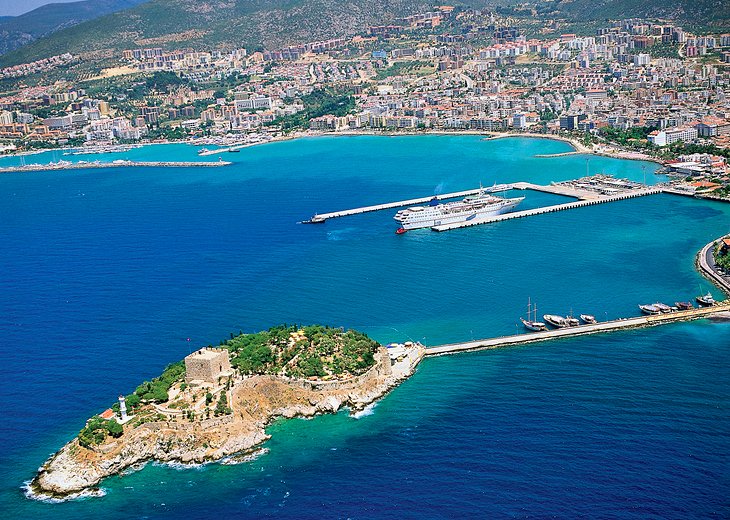
Turkey & Greece (Seven Churches of Revelation)
Turkey Trip Eight Days Seven Nights
Destination:
Turkey
Visit Turkey at its best time of the year! Tulip Season is when the weather is best. Tulip Season is from April 1st till the 30th of April. Enjoying the best accommodation, service, sightseeing, activities, and weather.
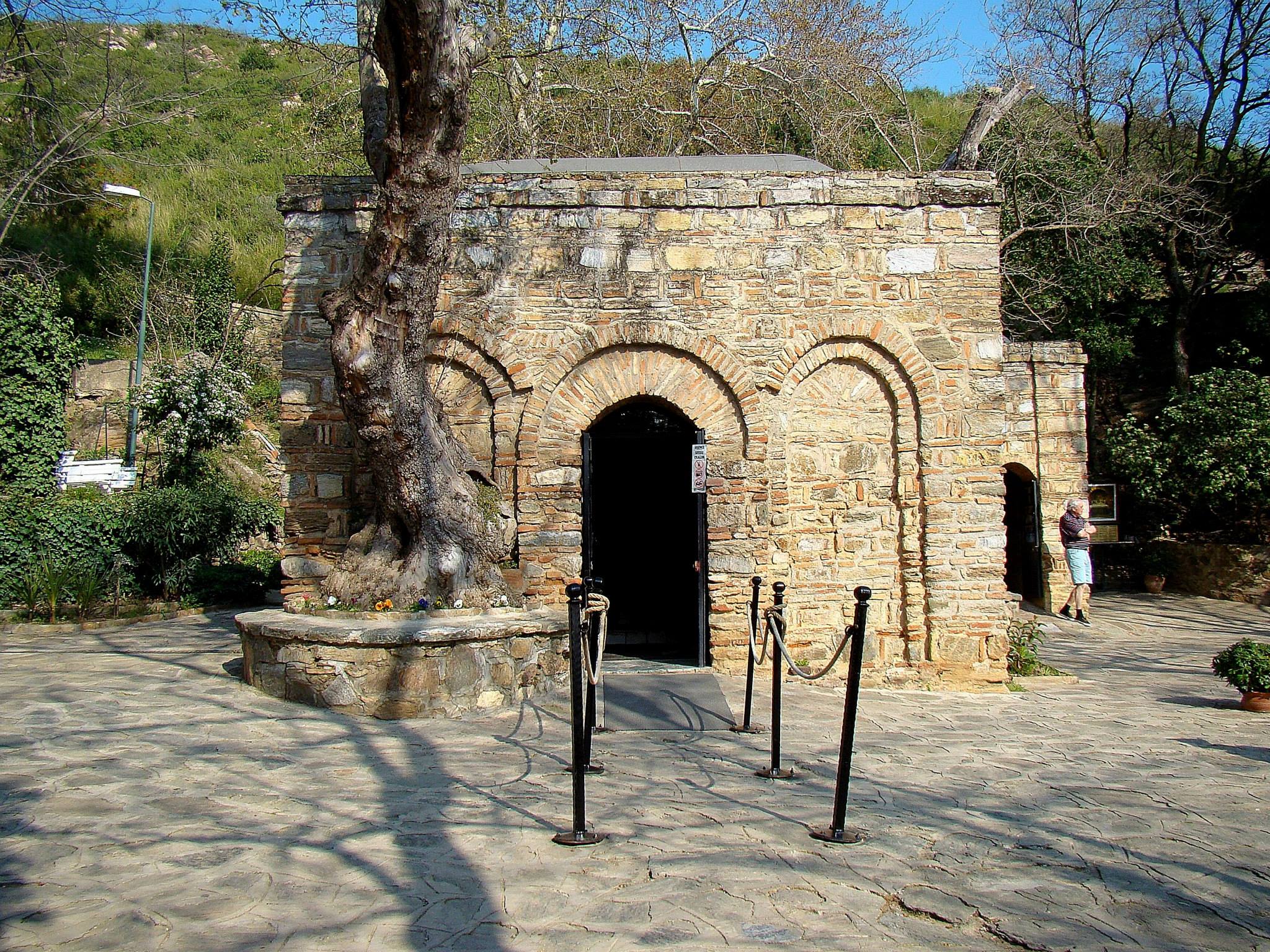


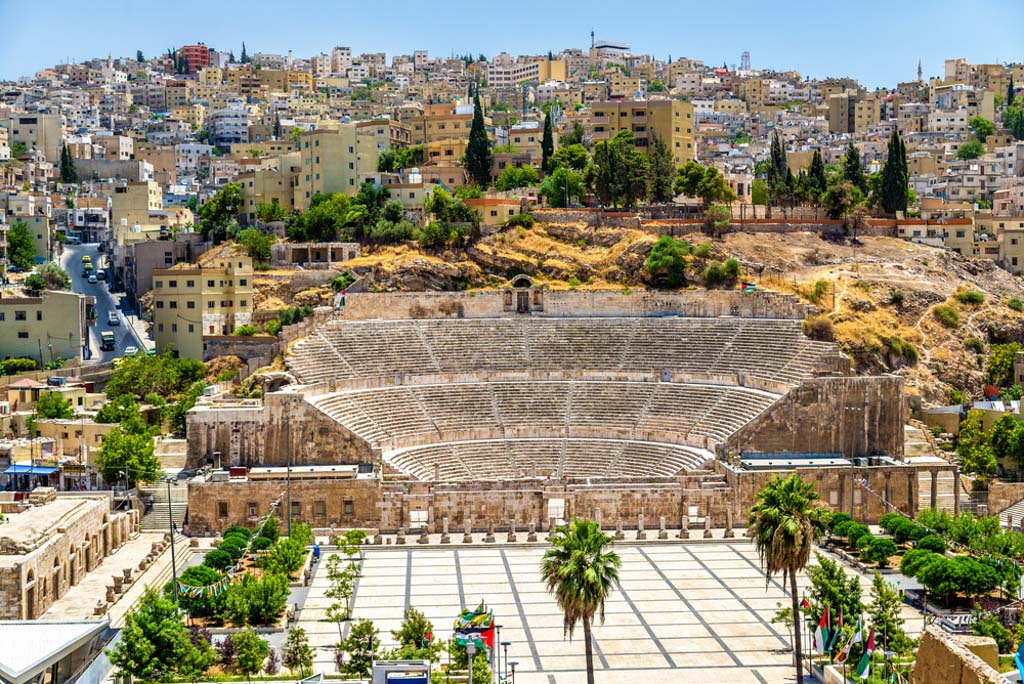
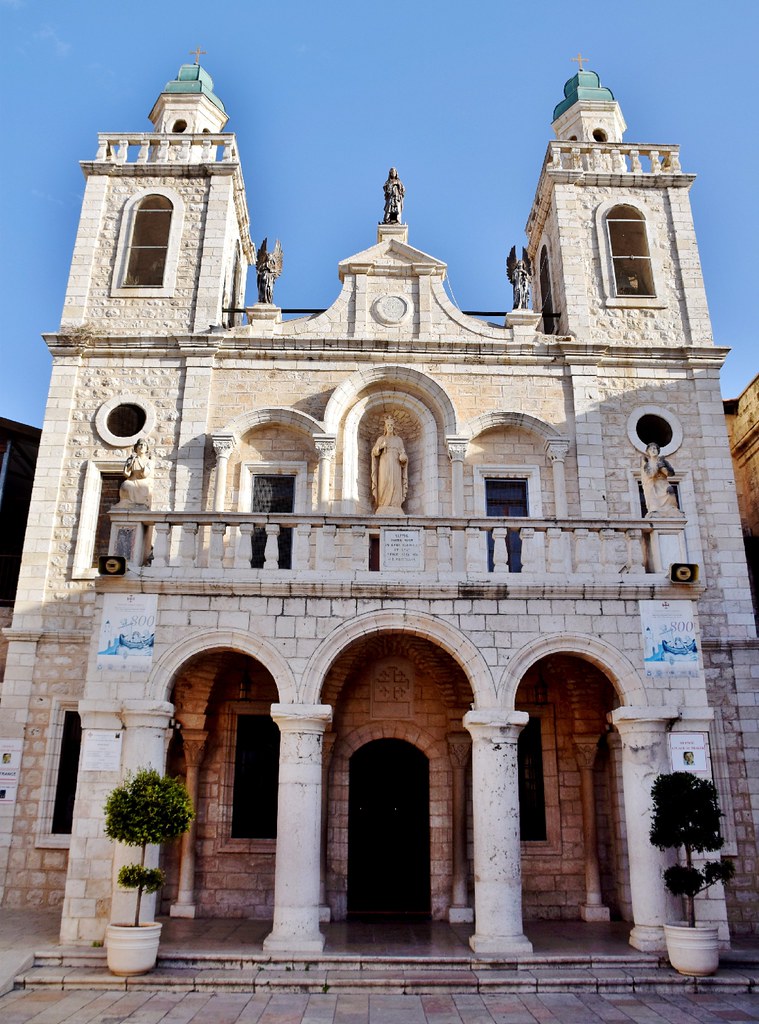
Holy Land Tours
13 Days 12 Nights Holy Land (Egypt Israel Palestine Jordan Petra)
Destination:
Cairo - Bethlehem - Nazareth - Petra
Do you have questions about God and what it means to be a Christian? Are you searching for a more meaningful prayer life? Do you struggle with how to live out your Christian faith in today's world? Would you simply like to spend some intimate time with God? Then join us in a weekend of study, reflection, and sharing centered on questions of faith and spirituality! The Pilgrimage retreat is a spirit-filled experience for adults of all ages who want to explore their relationship with God. Pilgrimage is an opportunity to share and learn with others as we journey together to a deeper spirituality and commitment.




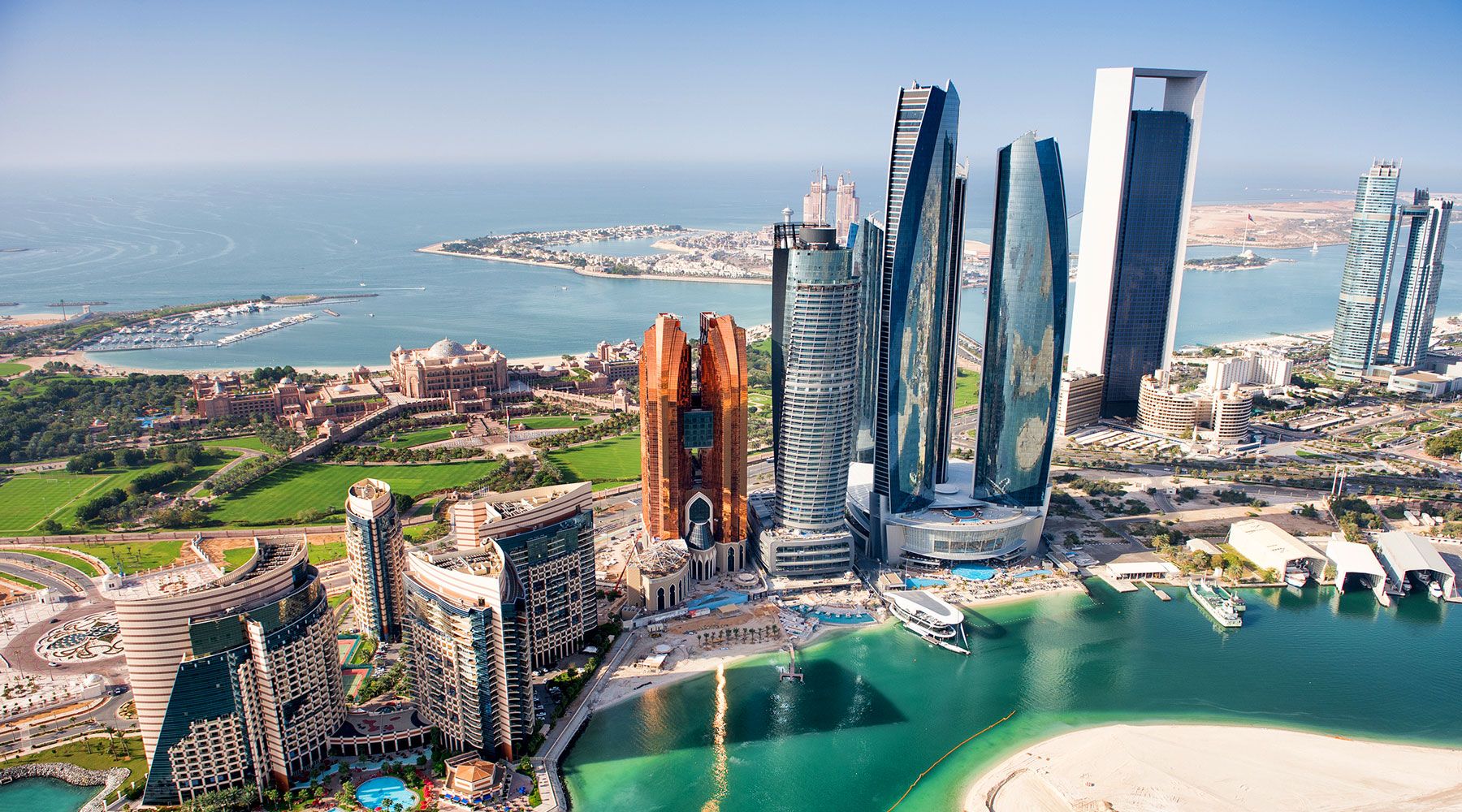
DUBAI CITY TOUR AND SAFARI
Dubai and Abu Dhabi 4 Days tour
Destination:
Dubai
Dubai & Abu Dhabi 4 Days - 3 Nights

DUBAI CITY TOUR AND SAFARI
Dubai & Abu Dhabi 4 Days
Destination:
Dubai
Dubai & Abu Dhabi 4 Days - 3 Nights

Honeymoon
honeymoon 7 nights by the red sea
Destination:
enjoy all-inclusive honeymoon at Hurghada Sharm el sheik Marsa Allam Dahab Taba


Design Your Vacation
Stella Maris Tours gives you total control over your vacation with Tailor-Made tours that you can design yourself.
Our Excursions
Daily Tours
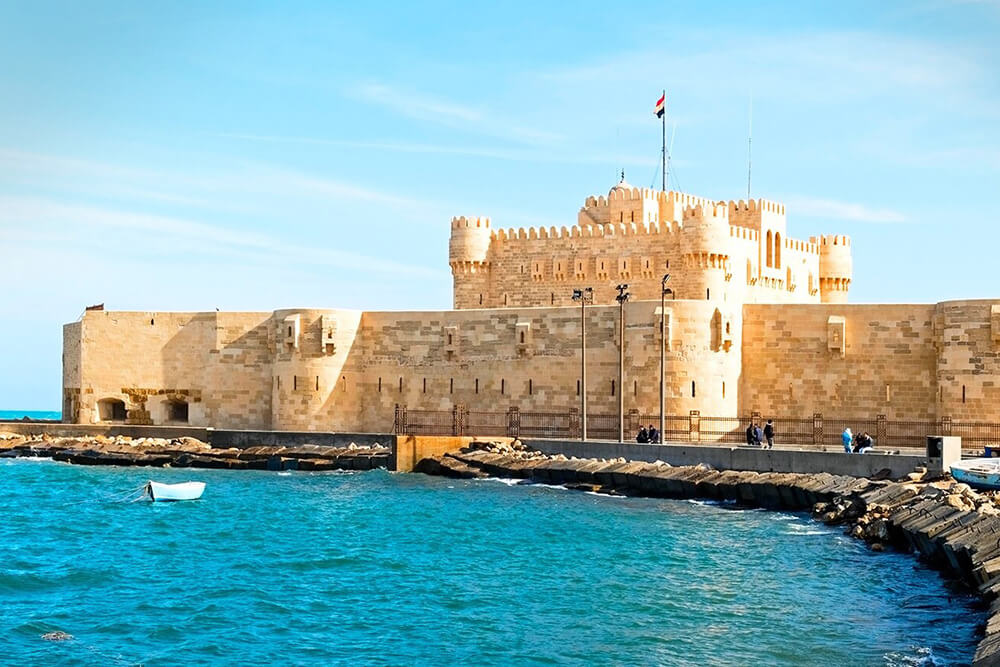
Alexandria Overday
Destination: Alexandria
visit the master sights of Alexandria , visit the famous montazah park and gardens ,visit the famous Alexandria library , pompy s pillar ,Alexandria catacomb, and Alexandria seaport
Daily Tours
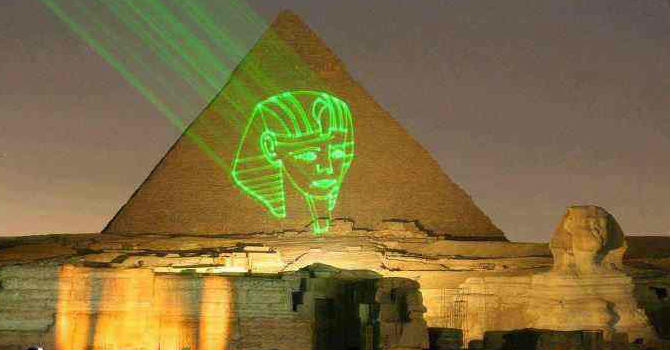
pyramids Sound and Light Show
Destination: Cairo
A Journey through the history of Ancient Egypt with a ticket to the sound and light show at the Pyramids and Sphinx of Giza. Take your seats in front of the three pyramids and sphinx to watch the story of the pharaohs and Egyptians projected onto the pyramids and Sphinx at night.

Daily Tours
Cairo City Tour
Destination: Cairo
Visit Cairo master sites like the Great Pyramids, Sphinx, and Egyptian museum


Holy Land Tours
According to the Bible, King David conquered the city from the Jebusites and established it as the capital of the united kingdom of Israel, and his son, King Solomon, commissioned the building of the First Temple. Modern scholars argue that Jews branched out of the Canaanite peoples and culture through the development of a distinct monolatrous — and later monotheistic — religion centered on El/Yahweh, one of the Ancient Canaanite deities. These foundational events, straddling the dawn of the 1st millennium BCE, assumed central symbolic importance for the Jewish people. The sobriquet of holy city (עיר הקודש, transliterated 'ir haqodesh) was probably attached to Jerusalem in post-exilic times. The holiness of Jerusalem in Christianity, conserved in the Septuagint which Christians adopted as their own authority, was reinforced by the New Testament account of Jesus's crucifixion there. In Sunni Islam, Jerusalem is the third-holiest city, after Mecca and Medina. In Islamic tradition, in 610 CE it became the first qibla, the focal point for Muslim prayer (salat), and Muhammad made his Night Journey there ten years later, ascending to heaven where he speaks to God, according to the Quran. As a result, despite having an area of only 0.9 square kilometres (0.35 sq mi), the Old City is home to many sites of seminal religious importance, among them the Temple Mount with its Western Wall, Dome of the Rock and al-Aqsa Mosque, and the Church of the Holy Sepulchre. Outside the Old City stands the Garden Tomb. Today, the status of Jerusalem remains one of the core issues in the Israeli–Palestinian conflict. During the 1948 Arab–Israeli War, West Jerusalem was among the areas captured and later annexed by Israel while East Jerusalem, including the Old City, was captured and later annexed by Jordan. Israel captured East Jerusalem from Jordan during the 1967 Six-Day War and subsequently annexed it into Jerusalem, together with additional surrounding territory. One of Israel's Basic Laws, the 1980 Jerusalem Law, refers to Jerusalem as the country's undivided capital. All branches of the Israeli government are located in Jerusalem, including the Knesset (Israel's parliament), the residences of the Prime Minister (Beit Aghion) and President (Beit HaNassi), and the Supreme Court. While the international community rejected the annexation as illegal and treats East Jerusalem as Palestinian territory occupied by Israel.
Read More
Gouna
El Gouna (Arabic: الجونة Al Jūna pronounced [elˈɡuːnæ], "the Lagoon") is an Egyptian tourist resort, owned by Samih Sawiris and developed by Orascom Hotels and Development, dating from 1989. It is located on the Red Sea in the Red Sea Governorate of Egypt, 20 kilometres (12 miles) north of Hurghada. It is part of the Red Sea Riviera, and a host city of the El Gouna Film Festival. El Gouna buildings were designed by many influential European and American Architects to resemble the Traditional Rural Egyptian Architecture like those found in the Egyptian Countryside and Nubian villages. El Gouna specializes in water-sports, including scuba diving, windsurfing, kitesurfing, waterskiing, parasailing and snorkelling. There are several beaches: including Zeytuna Beach (Arabic: شاطئ زيتونة) located on its own island, Mangroovy Beach, Moods Beach and other hotel beaches. A network of canals allows many houses to have their own strip of beach, even hundreds of meters inland. Most of these canals are crossed by small stone bridges. There are three main areas in El Gouna, Downtown, Tamr Henna Square (Arabic: ميدان تمر حنة) and the Abu Tig Marina (Arabic: مارينا أبو تيج). There are 18 hotels (some of which were designed by the American architect Michael Graves) with 2,895 rooms rated from three star to five stars. In addition to a six-star hotel called La Maison Bleue located next to the Abu Tig Marina Extension.
Read More
Ancient Egypt
Egypt reached the pinnacle of its power in the New Kingdom, ruling much of Nubia and a sizable portion of the Near East, after which it entered a period of slow decline. During the course of its history Egypt was invaded or conquered by a number of foreign powers, including the Hyksos, the Libyans, the Nubians, the Assyrians, the Achaemenid Persians, and the Macedonians under the command of Alexander the Great. The Greek Ptolemaic Kingdom, formed in the aftermath of Alexander's death, ruled Egypt until 30 BC, when, under Cleopatra, it fell to the Roman Empire and became a Roman province. The success of ancient Egyptian civilization came partly from its ability to adapt to the conditions of the Nile River valley for agriculture. The predictable flooding and controlled irrigation of the fertile valley produced surplus crops, which supported a more dense population, and social development and culture. With resources to spare, the administration sponsored mineral exploitation of the valley and surrounding desert regions, the early development of an independent writing system, the organization of collective construction and agricultural projects, trade with surrounding regions, and a military intended to assert Egyptian dominance. Motivating and organizing these activities was a bureaucracy of elite scribes, religious leaders, and administrators under the control of a pharaoh, who ensured the cooperation and unity of the Egyptian people in the context of an elaborate system of religious beliefs. The many achievements of the ancient Egyptians include the quarrying, surveying and construction techniques that supported the building of monumental pyramids, temples, and obelisks; a system of mathematics, a practical and effective system of medicine, irrigation systems and agricultural production techniques, the first known planked boats, Egyptian faience and glass technology, new forms of literature, and the earliest known peace treaty, made with the Hittites. Ancient Egypt has left a lasting legacy. Its art and architecture were widely copied, and its antiquities carried off to far corners of the world. Its monumental ruins have inspired the imaginations of travelers and writers for centuries. A new-found respect for antiquities and excavations in the early modern period by Europeans and Egyptians led to the scientific investigation of Egyptian civilization and a greater appreciation of its cultural legacy.
Read More
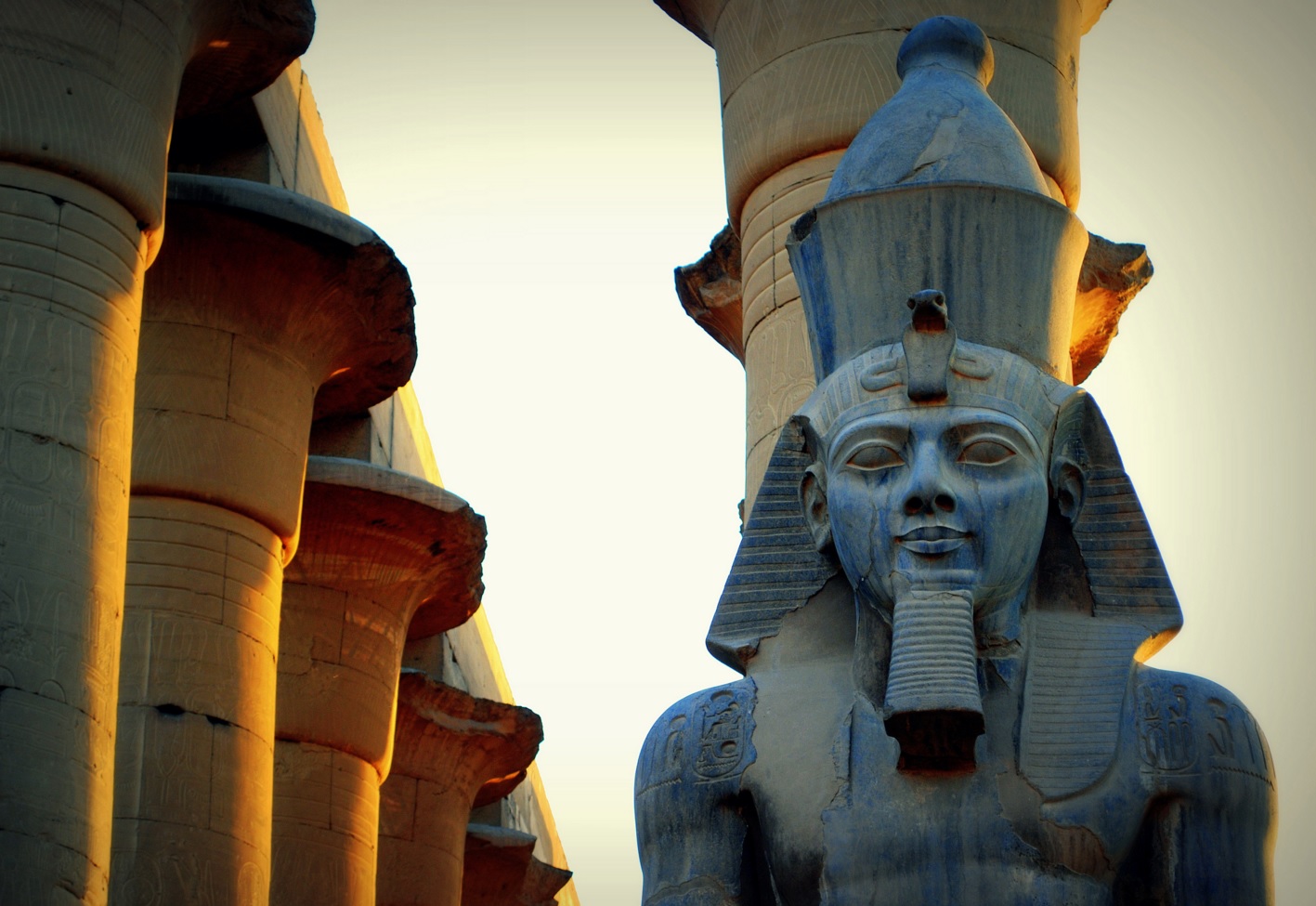
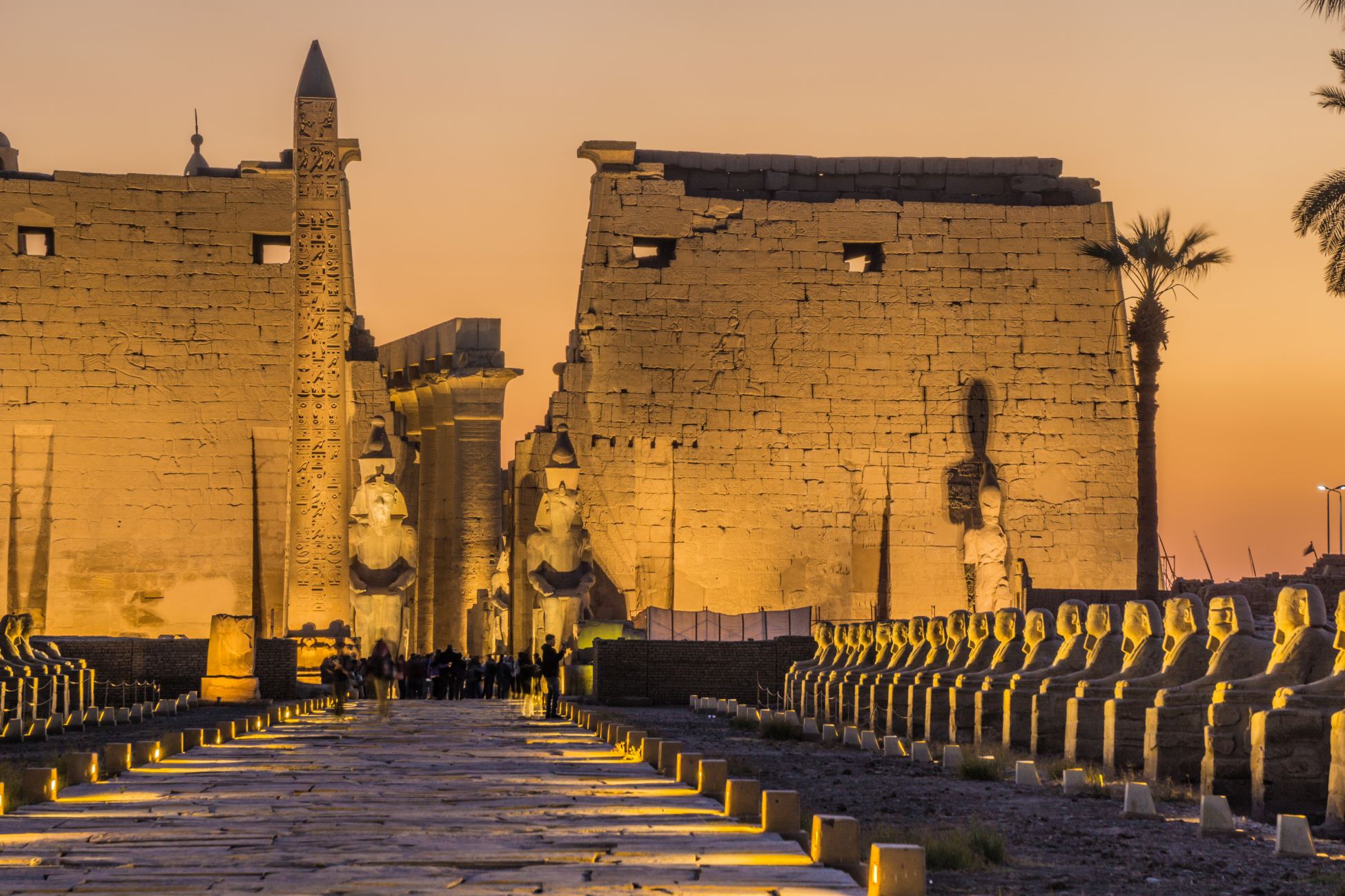
Luxor was the ancient city of Thebes, the great capital of (Upper) Egypt during the New Kingdom, and the glorious city of Amun, later to become the god Amun-Ra. The city was regarded in the Ancient Egyptian texts as wꜣs.t (approximate pronunciation: "Waset"), which meant "city of the sceptre", and later in Demotic Egyptian as tꜣ jpt (conventionally pronounced as "ta ipet" and meaning "the shrine/temple", referring to the jpt-swt, the temple now know by its Arabic name, Karnak, meaning "fortified village"), which the Greeks adapted as Thebai and the Romans after them Thebae. Thebes was also known as "the city of the 100 gates", sometimes being called "southern Heliopolis" ('Iunu-shemaa' in Ancient Egyptian), to distinguish it from the city of Iunu or Heliopolis, the main place of worship for the god Ra in the north. It was also often referred to as niw.t, which simply means "city", and was one of only three cities in Egypt for which this noun was used (the other two were Memphis and Heliopolis); it was also called niw.t rst, "southern city", as the southernmost of them. The importance of the city started as early as the 11th Dynasty, when the town grew into a thriving city. Montuhotep II who united Egypt after the troubles of the first intermediate period brought stability to the lands as the city grew in stature. The Pharaohs of the New Kingdom in their expeditions to Kush, in today's northern Sudan, and to the lands of Canaan, Phoenicia and Syria saw the city accumulate great wealth and rose to prominence, even on a world scale. Thebes played a major role in expelling the invading forces of the Hyksos from Upper Egypt, and from the time of the 18th Dynasty to the 20th Dynasty, the city had risen as the political, religious and military capital of Ancient Egypt. The city attracted peoples such as the Babylonians, the Mitanni, the Hittites of Anatolia (modern-day Turkey), the Canaanites of Ugarit, the Phoenicians of Byblos and Tyre, the Minoans from the island of Crete. A Hittite prince from Anatolia even came to marry with the widow of Tutankhamun, Ankhesenamun. The political and military importance of the city, however, faded during the Late Period, with Thebes being replaced as political capital by several cities in Northern Egypt, such as Bubastis, Sais and finally Alexandria. However, as the city of the god Amun-Ra, Thebes remained the religious capital of Egypt until the Greek period. The main god of the city was Amun, who was worshipped together with his wife, the Goddess Mut, and their son Khonsu, the God of the moon. With the rise of Thebes as the foremost city of Egypt, the local god Amon rose in importance as well and became linked to the sun god Ra, thus creating the new 'king of gods' Amon-Ra. His great temple, at Karnak just north of Thebes, was the most important temple of Egypt right until the end of antiquity. Later, the city was attacked by Assyrian emperor Assurbanipal who installed the Libyan prince on the throne, Psamtik I. The city of Thebes was in ruins and fell in significance. However, Alexander the Great did arrive at the temple of Amun, where the statue of the god was transferred from Karnak during the Opet Festival, the great religious feast. Thebes remained a site of spirituality up to the Christian era, and attracted numerous Christian monks in the Roman Empire who established monasteries amidst several ancient monuments including the temple of Hatshepsut, now called Deir el-Bahri ("the northern monastery").
Read MoreOur Gallery


